
A Picture Says A Thousand Words.
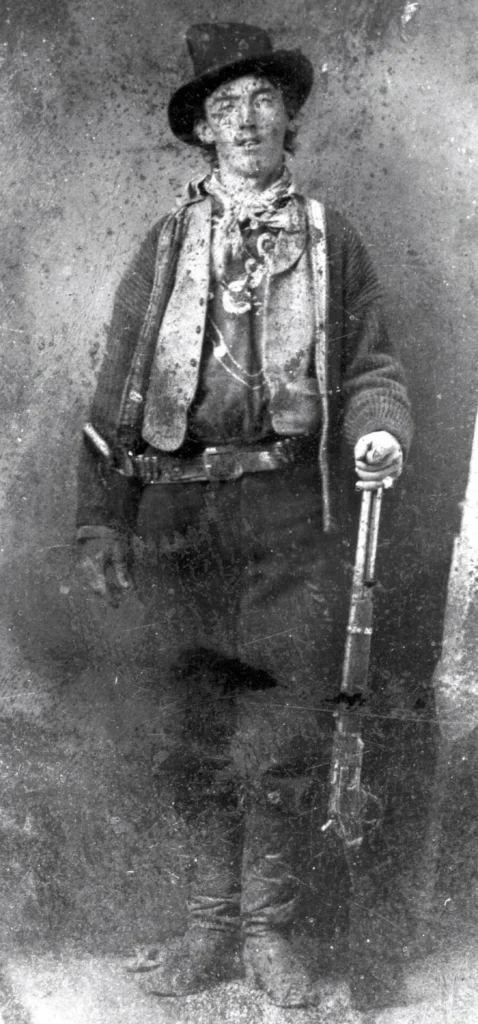
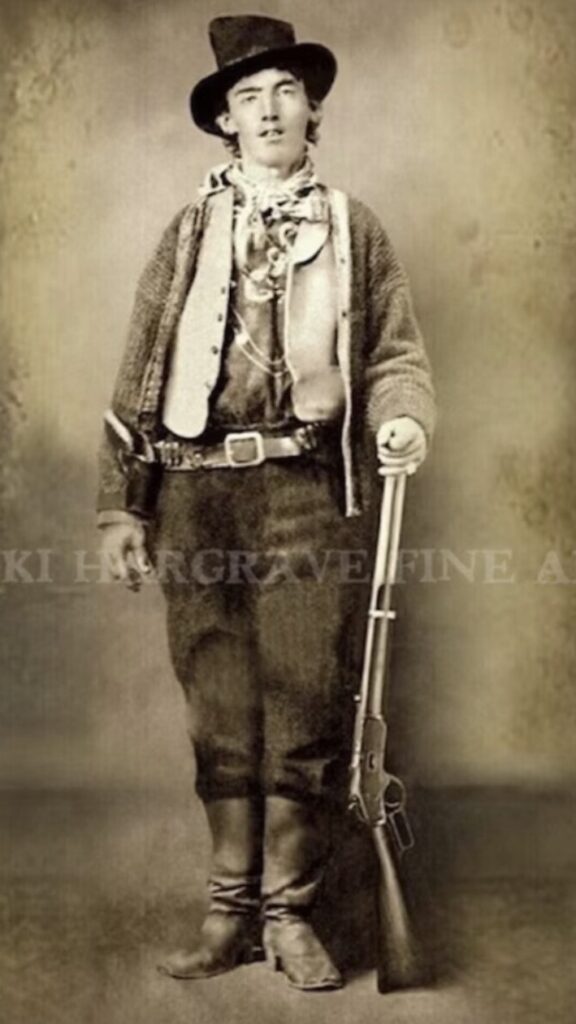
This is the only authenticated photograph of Billy the Kid.
For well over a century, this single image has shaped the world’s perception of one of the most famous outlaws in American History. It’s authenticity is not in dispute. Yet the photograph itself has long been regarded as a poor likeness to the man it depicts. Those who knew Billy described features that are difficult-or-impossible-to reconcile with the famous tintype.
If Billy the Kid’s life is one of the greatest mysteries to come out of the Wild West, then the only authenticated photograph of him may have done as much to obscure that mystery as to illuminate it.
And nowhere is that mystery more apparent than in one of the most defining features of the human face.
A False Impression
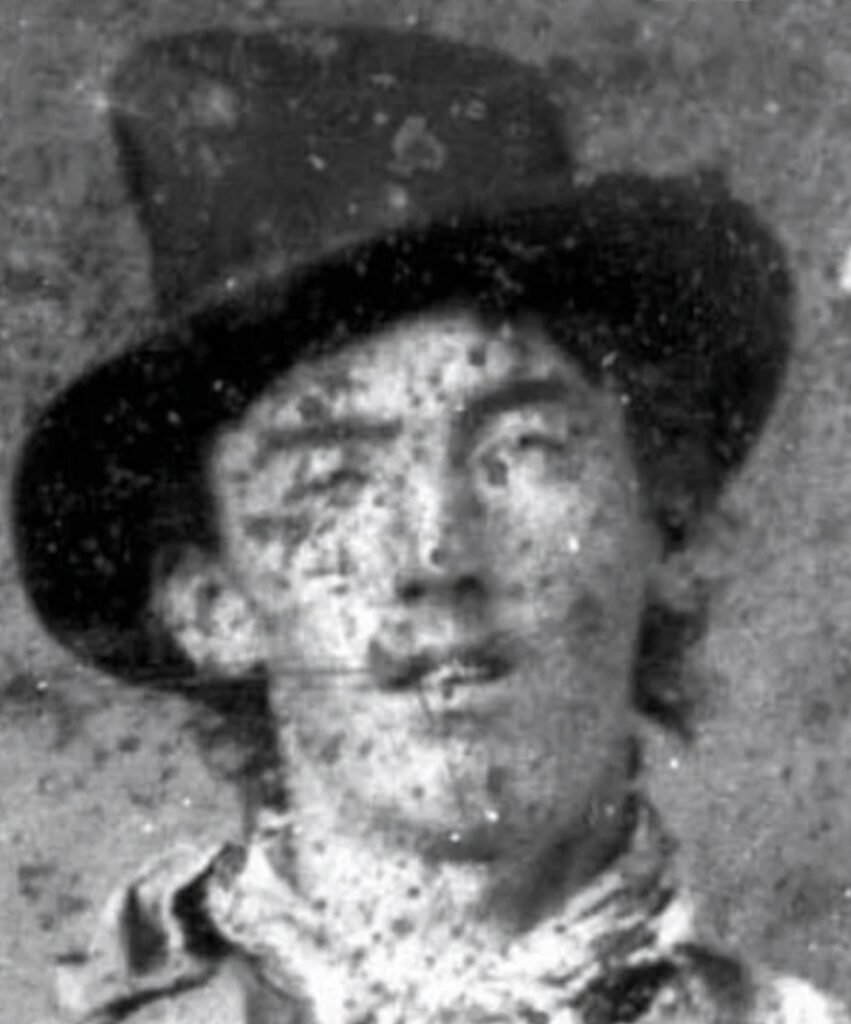
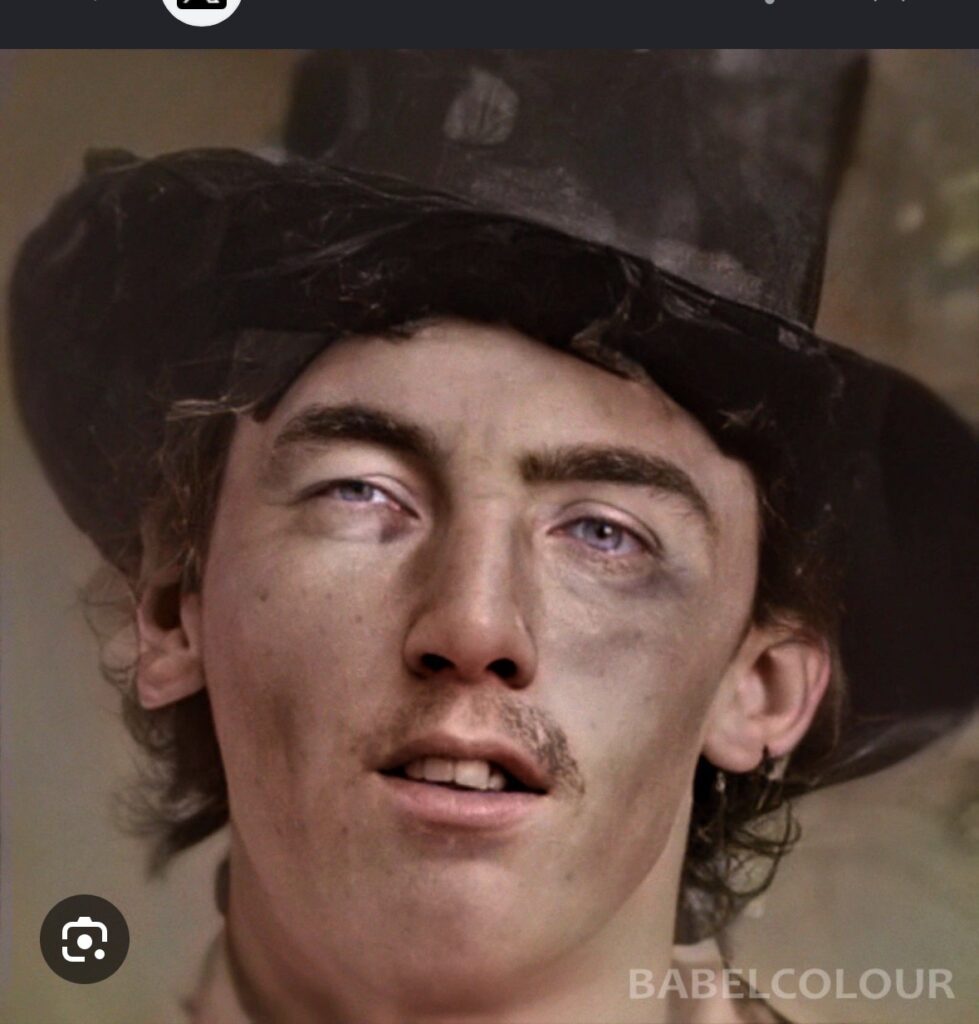
The famous tintype of Billy the Kid has become the image by which generations have come to recognize him. Yet, by the accounts of those who new him, it was a poor representation of what he actually looked like.
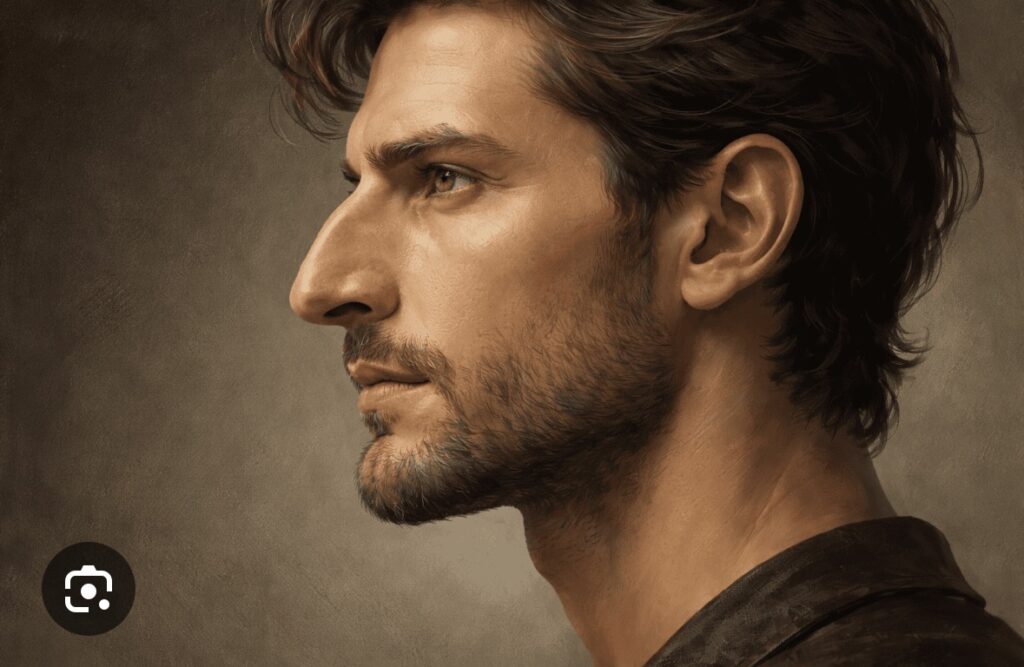
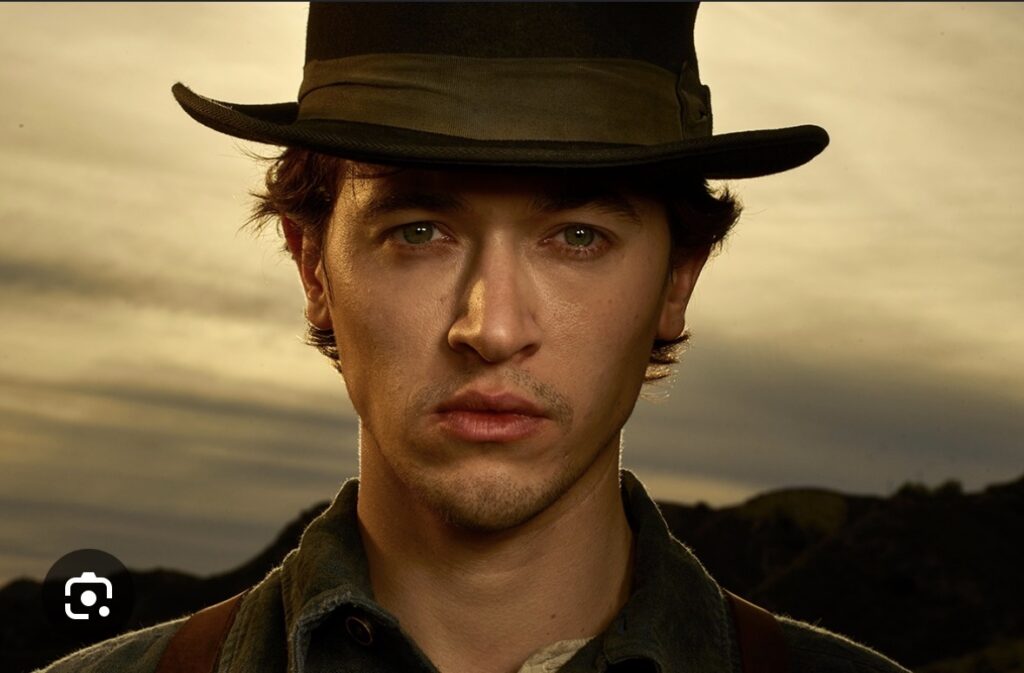
His facial expression, the lighting, and the quality of the photograph combine to flatten and distort his features. Although Billy was consistently described as having a prominent aquiline nose, similar to the example shown in the third image, that defining characteristic is difficult to recognize in the tintype and remains largely absent even in many modern restorations. The photograph also gives the impression that the chin was longer and more pronounced than it likely was, altering the natural balance of his face.
Perhaps the most telling detail is how those who knew him described him. He was repeatedly remembered as being remarkably handsome. Looking only at the famous tintype, that description is difficult to reconcile. Rather than revealing his true appearance, the photograph may have shaped a public image that differed significantly from the man himself.
The fourth image shows actor Tom Blyth portraying Billy the Kid in the Netflix series. While still a fictional portrayal, his youthful, boyish good looks, softer facial features, and more prominent aquiline nose create an appearance that is far more consistent with the descriptions left by those who knew Billy personally. Although no modern actor can be considered an exact likeness, this portrayal offers a glimpse of how different Billy the Kid may have looked in real life. If the famous tintype truly failed to capture his appearance, the false Impression it created may have only deepened the mystery surrounding Billy the Kid and the man history believes it has been looking at all along.
Attention to Detail
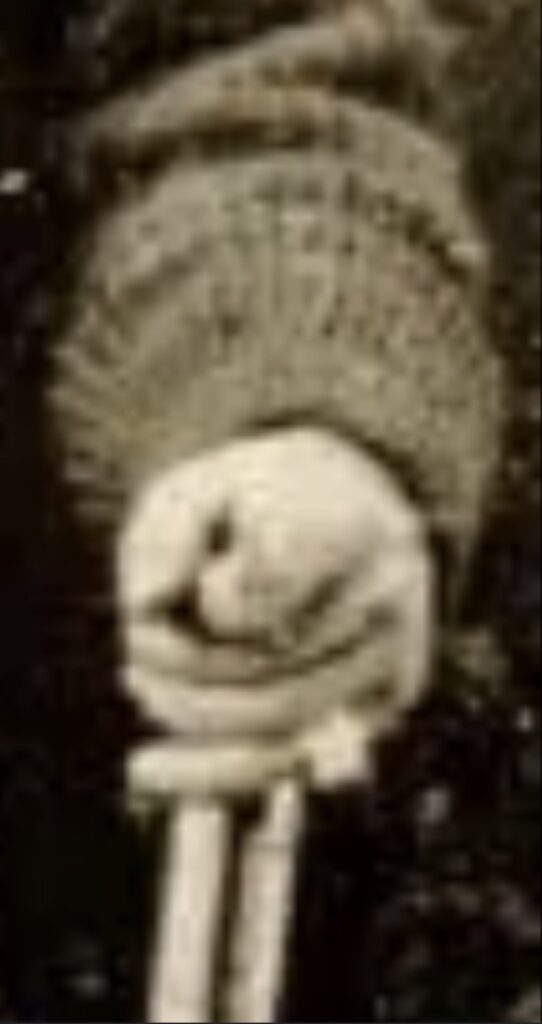
From the first time I saw this photograph,, I couldn’t help but notice the unusual way his thumb and forefinger are wrapped around the rifle.
Of course, this could be completely innocent. People often hold objects in unusual ways without giving it a second thought. But the more I studied the photograph, the more I found myself wondering whether there might be another explanation.
At this point, I am not suggesting any particular conclusion. I’m simply pointing out an observation that stood out to me. As the Investigation unfolds, we’ll return to this photograph and take a much closer look at whether that unusual hand position has any significance, or whether it’s simply an innocent coincidence.
A Story Full of Holes
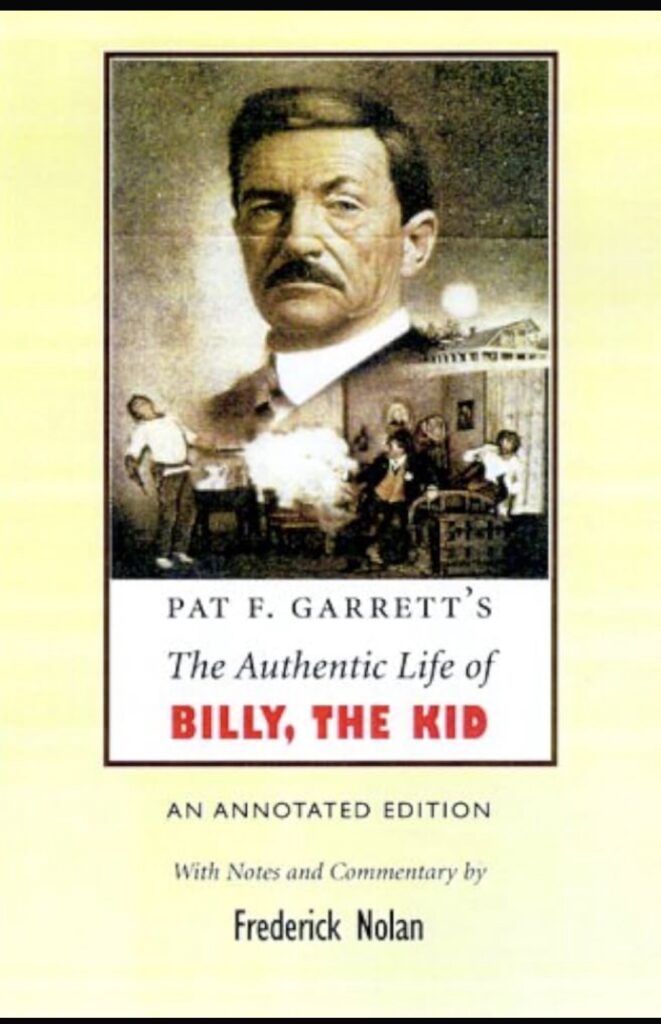
The accepted account of Billy the Kid’s death comes primarily from Pat Garrett’s book, The Authentic Life of Billy, the Kid. Yet from the very night of the shooting occurred, people questioned whether Garrett had actually killed Billy the Kid. More than a century later, those same questions continue to be debated by historians and researchers. The following are a few examples of discrepancies that raise doubts about that infamous night.
- Garrett claimed to identify Billy in a nearly pitch-black room, relying largely on his voice before pulling the trigger.
- Deputy John Poe had never seen Billy before that night and could not independently identify the body.
- Garrrett’s own account of the shooting changed in important details over time.
- No photograph was taken of the body, despite postmortem photography being well established by the late 19th century, and Garrett was never paid the reward for killing Billy at the time. He only received compensation years later because of political connections, raising additional questions that continue to fuel debate.
This isn’t a history website, so I won’t attempt to examine every discrepancy here. My goal is simply to encourage you to ask questions and follow the evidence wherever it leads. If you’d like to explore the subject further, I’ve included a collection of books, articles, and other research sources elsewhere on this website. Read the evidence for yourself and decide whether Pat Garrett’s story deserves to be accepted without question.
The Real McCoy???
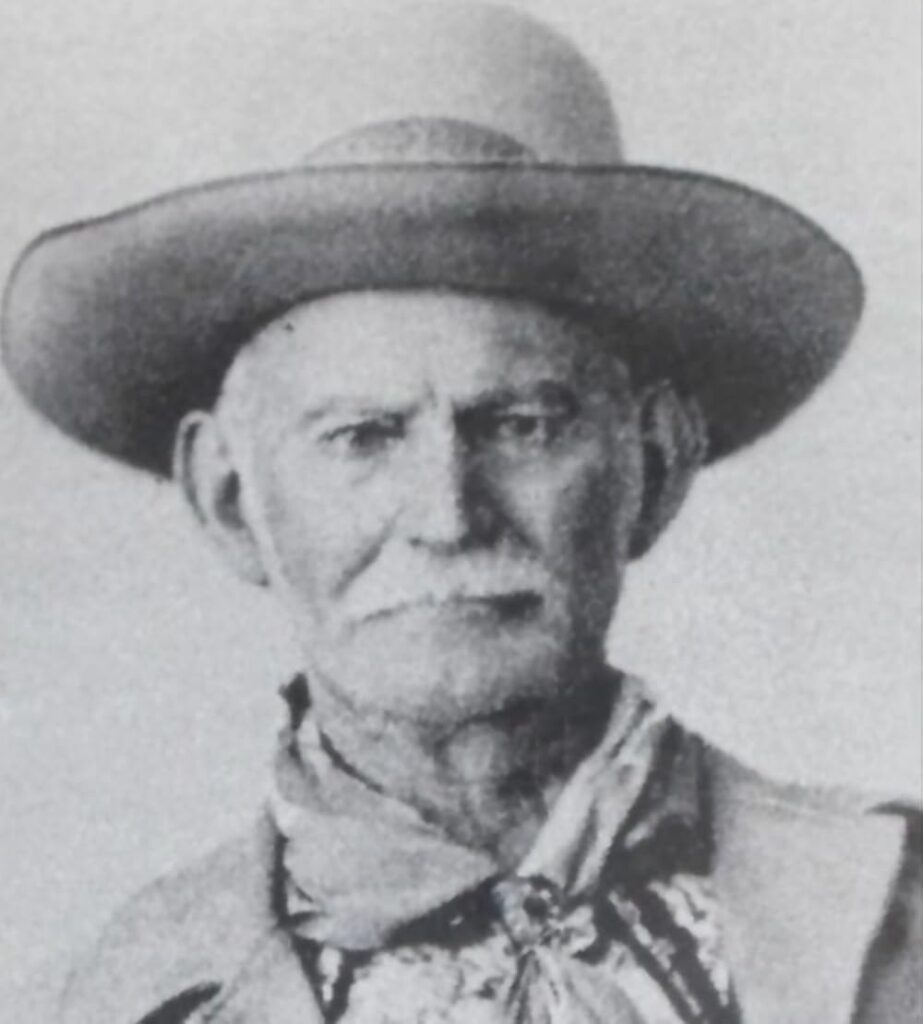
I first heard the story of Brushy Bill Roberts when I was in my early teens, watching an episode of Unsolved Mysteries. At the time, I was too young to know much about Billy the Kid beyond the name itself, and I didn’t really appreciate the story of Brushy Bill Roberts. I simply dismissed him as a fraud without knowing much more about him.
Year later, I returned to the story with an open mind and began doing my own research. After examining the evidence objectively, I became convinced beyond a reasonable doubt, or really, beyond any doubt, that Brushy Bill Roberts was the real McCoy.
He perfectly matched the physical description of Billy the Kid, including all of his known scars. He spoke fluent Spanish and could slip handcuffs. He knew details about the Lincoln County War that historians didn’t know at the time, and people who knew Billy the Kid signed affidavits stating they believed he was him. He didn’t come forward seeking fame or fortune. All he wanted was the pardon that was promised to him decades ago.
By publicly claiming to be Billy the Kid, Brushy Bill was putting himself at risk of arrest and potentially execution. That is difficult to explain if he was nothing more than a fraud looking for attention.
For anyone who wants to examine the case for themselves, I highly recommend Daniel A. Edwards’ Billy the Kid: An Autobiography. It is a well-written, thoroughly researched book that allows readers to examine the evidence and draw their own conclusions.
I know some people are so committed to the accepted story of Billy the Kid’s death that even DNA evidence might not convince them otherwise. I encourage everyone else to keep an open mind, do their research, and make up their own mind.
Once I became convinced that Brushy Bill Roberts was indeed Billy the Kid, I also had to accept that the faking of Billy’s death could not have been carried out by one person. For it to have succeeded so completely, and for the truth to have remained hidden for so long, It had to involve multiple people.
And if Billy the Kid’s death was really part of a conspiracy, then it is reasonable to believe that there was more to him than the story history books have sold.
That realization started this Investigation and led me to the question:
If Brushy Bill Roberts was Billy the Kid, then who the hell was Billy the Kid?
Coincidence or Concealment
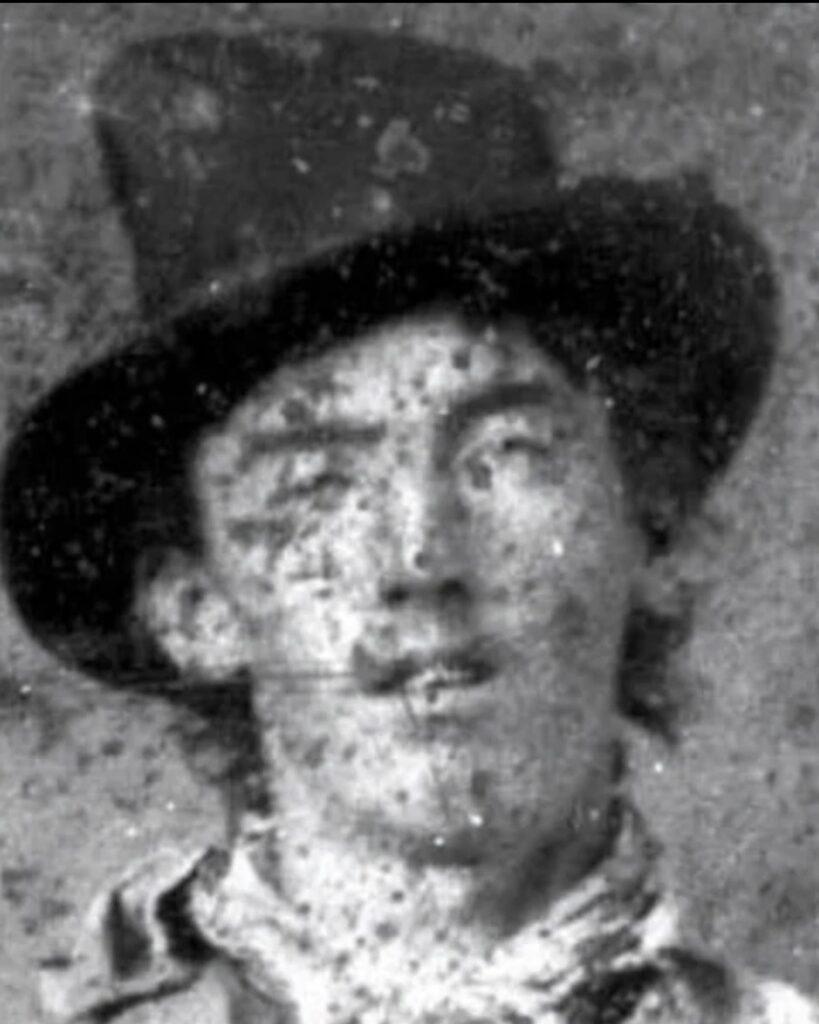
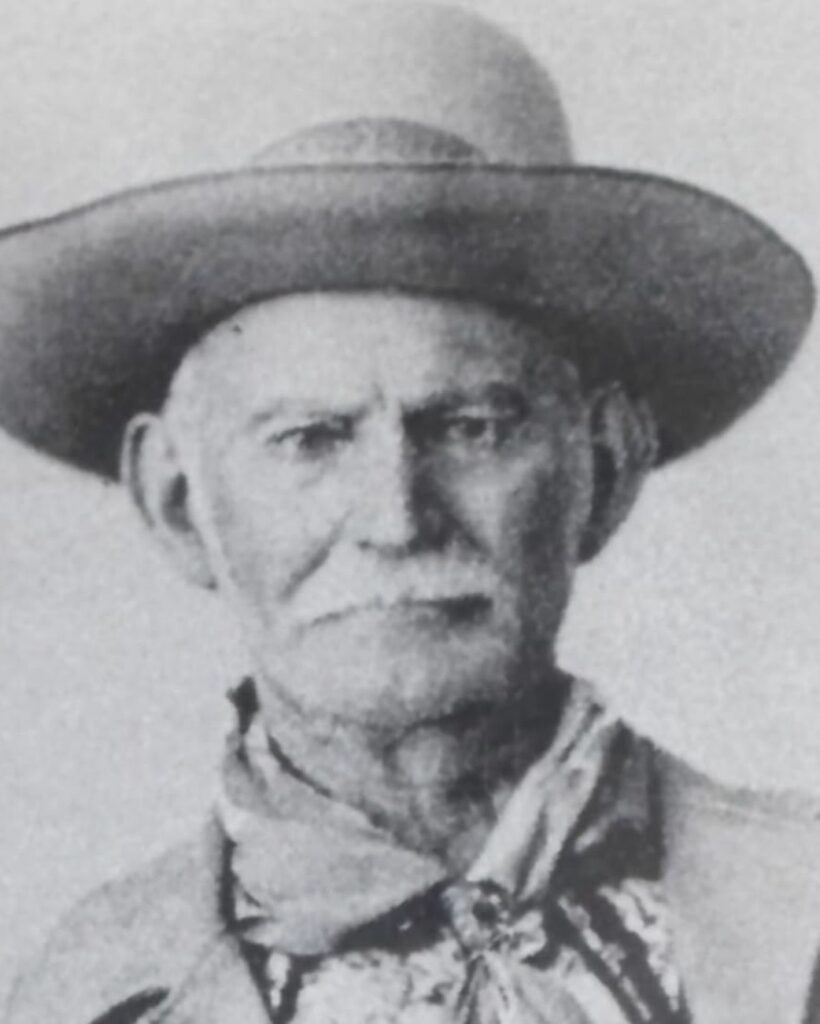
Before I introduce the individual who ultimately emerged as my prime suspect, there is one more observation that cannot be ignored.
One detail that immediately caught my attention is the apparent mark on the chin in both photographs. It resembles a retouching artifact rather than a natural shadow, raising the possibility that a cleft chin may have been concealed.
If that possibility is correct, it created another mystery. Why is a cleft chin never mentioned in Billy the Kid’s accepted physical descriptions? Was it simply overlooked, or does this point to something more?
The Prime Suspect
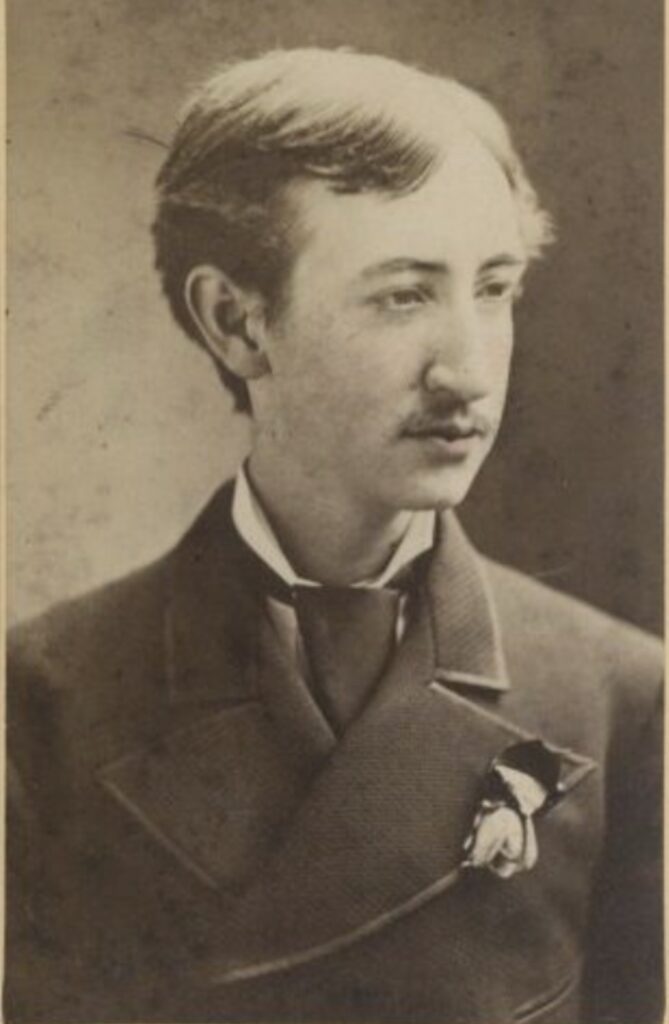
After an exhaustive investigation into the identity of Billy the Kid, one individual emerged as a remarkably compelling candidate: Thomas Lincoln.
I fully recognize that this conclusion may seem impossible to accept, as Thomas Lincoln was the son of President Abraham Lincoln and according to the historical record, died in 1871, years before Billy the Kid appeared on the American Frontier. On its face, that fact alone should end the discussion.
Yet, after carefully examining the evidence, I found that the story of Thomas(Tad) Lincoln may not be as straightforward as history would have us believe.
I’m not asking you to accept this conclusion. I am simply asking that you keep an open mind as I present the evidence, both for and against the possibility that Tad Lincoln and Billy the Kid were the same person. My goal is not to persuade you, but to lay out the facts as objectively as possible and allow you to decide where they lead.
Oops...
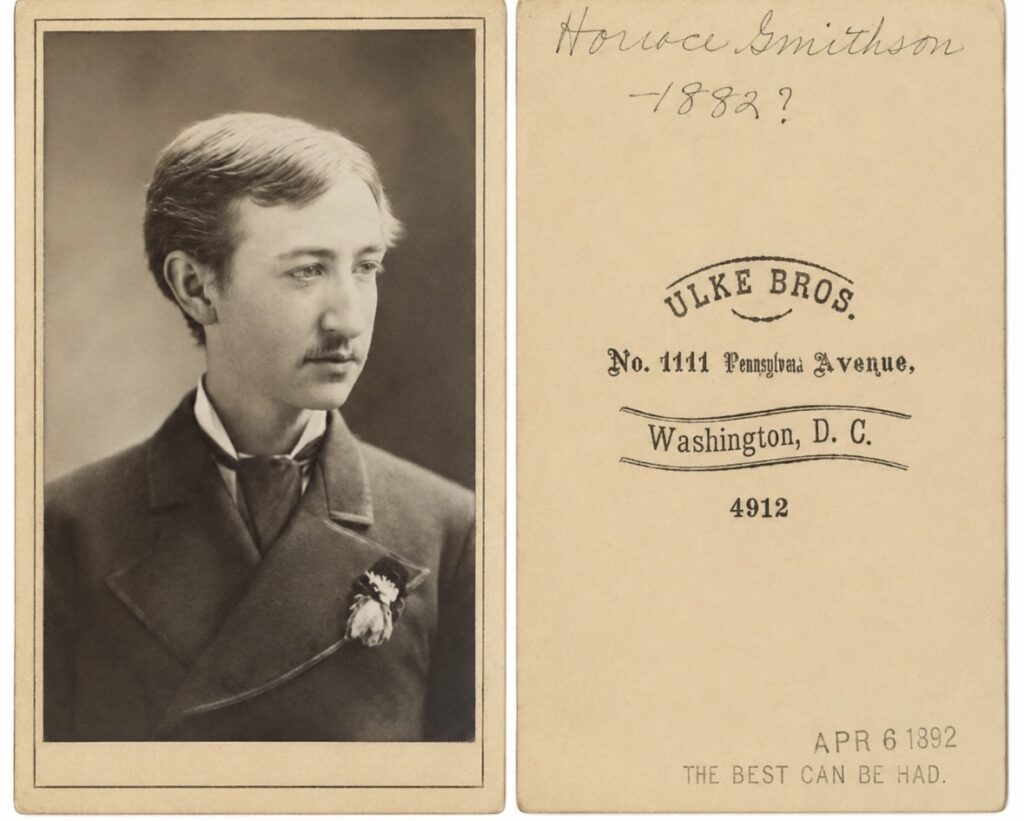
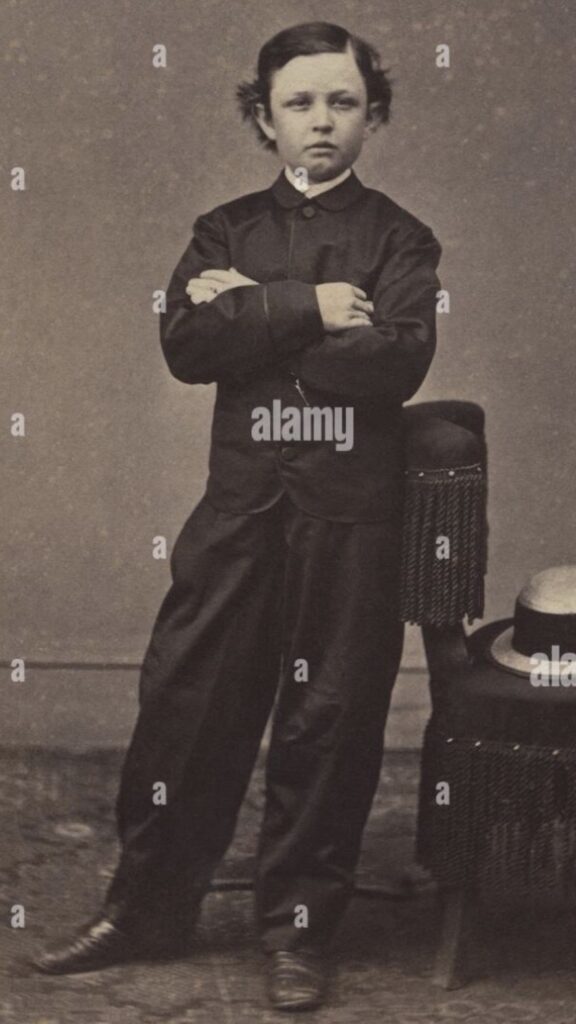
Looking at this photograph, it is difficult to ignore just how closely Tad Lincoln resembles the historical descriptions of Billy the Kid. The handsome boyish facial features, faint peach fuzz on the upper lip, small mouth, long neck, and noticeably heavy sloping shoulders all closely mirror the physical characteristics repeatedly attributed to the Kid. Whether by coincidence or not, the resemblance demands some attention.
But there is an even more intriguing question.
The photograph shown here has long been identified as the last known photograph of Tad Lincoln. Yet based on the photographer, mount, style, and clothing, it appears to date to a period after his death. Rather than prompting a reexamination of the accepted timeline, an effort has been made to argue that the young man in this photograph is someone else. I’ve included the source making that argument so you can examine the evidence for yourself.
To me, the explanation raises more questions than it answers. If this photograph truly dates after Tad’s reported death, then one of two things must be true. Either the long-standing identification of this photograph is incorrect, or the accepted account of Tad Lincoln’s death is.
By itself, this photograph does not prove that Tad Lincoln became Billy the Kid. But if the accepted timeline surrounding Tad Lincoln is not as settled as history suggests, then one of the greatest objections to that possibility suddenly begins to disappear. That is precisely why this photograph deserves far more attention than it has received.
And maybe that lack of attention is deliberate.
The Elephant In The Room
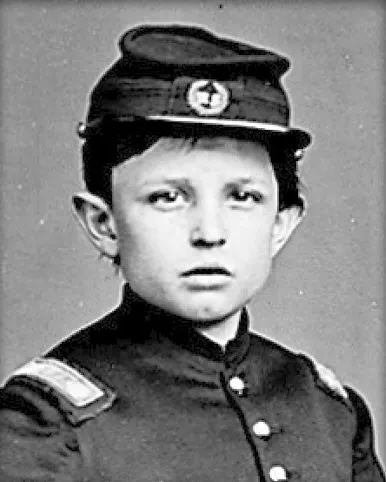
Born in 1853, Tad would have been considerably older than the commonly accepted age of Billy the Kid, who was believed to have been around 21 when he died. But this discrepancy may not be nearly as problematic as it first appears. Billy’s age was based largely on estimation, not definitive documentation. And considering how consistently he was described as having a youthful, boyish appearance, it is not unreasonable to consider the possibility that we was simply older than people believed and looked unusually young for his age.
It's The Little Things
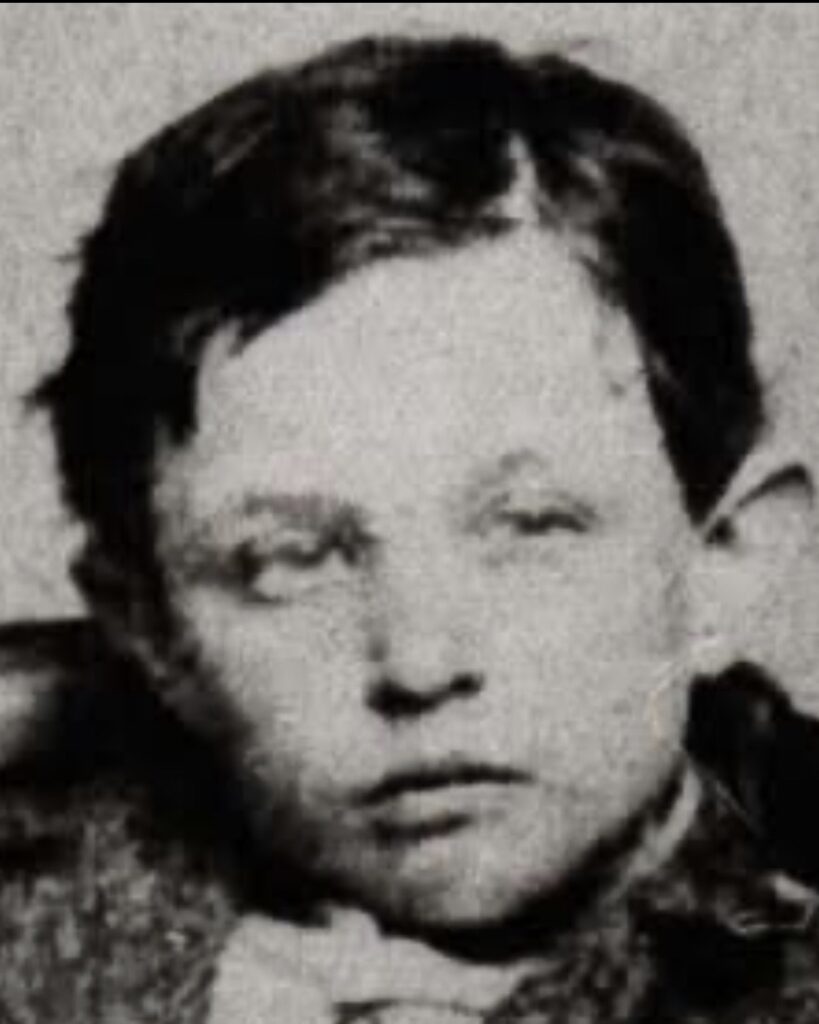
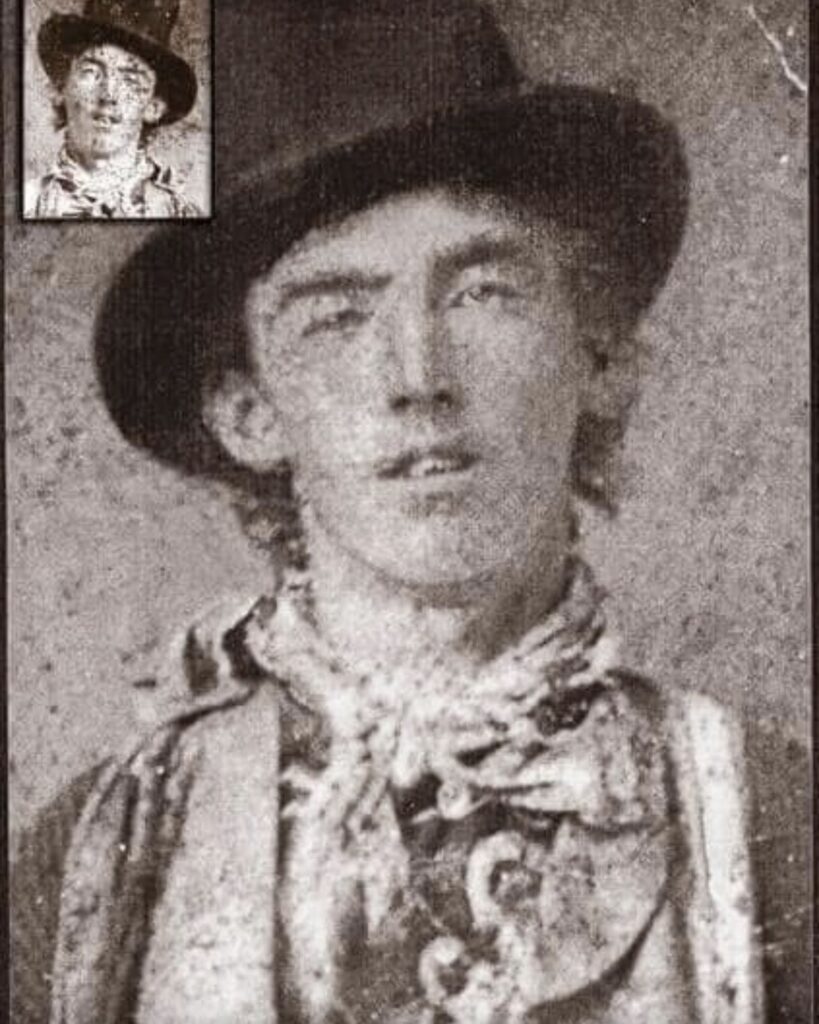
The photograph on the left is what first put Tad Lincoln on my list of seemingly impossible suspects. At the time, I never imagined that the evidence would eventually lead me to consider him the strongest candidate of all.
I have admired Abraham Lincoln for many years, and while researching his life, I came across this photo of Tad. The moment I looked at his face, I had the unmistakable feeling that I had seen it somewhere before, At the time, I couldn’t place it, so I moved on.
Some time later, while researching Billy the Kid, I came across this cleaned-up photograph once again. The instant I saw it, my jaw hit the floor. The resemblance was impossible to ignore.
What struck me the most was not simply the overall likeness, but the small details. The distinctive shape of the mouth, with its sharp downward slant to the left as we look at it. The shape of the eyes. The nose. The high cheekbones. The broad high forehead. Many of these are features that contemporary descriptions attributed to Billy the Kid.
That moment was the beginning of what I came to think of as an impossible possibility: could Tad Lincoln and Billy the Kid somehow have been one and the same?
One final detail is worth noticing. Tad Lincoln appears to have the same unusual touch-up mark on his chin that I pointed out earlier on both Billy the Kid and Brushy Bill Roberts. I have a theory about why that mark appears, and I’ll get into that later.
A Strong Resemblance
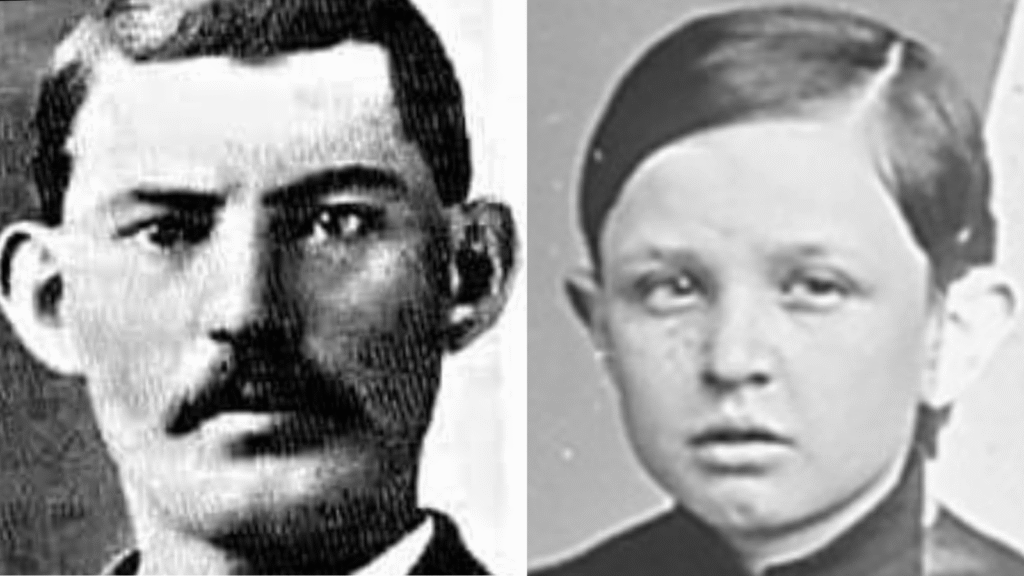
The resemblance between Tad Lincoln and a young Brushy Bill Roberts is striking. Looking at the two side by side, Tad could easily pass for Brushy Bill as a child. The intensity of the eyes, facial structure, high forehead and cheekbones, and the shape of the mouth are difficult to overlook. Either you see it or you don’t.
And there’s one small detail that makes the comparison even more interesting, the distinct dimple mark on Tad’s chin.
Just a Fun Fact
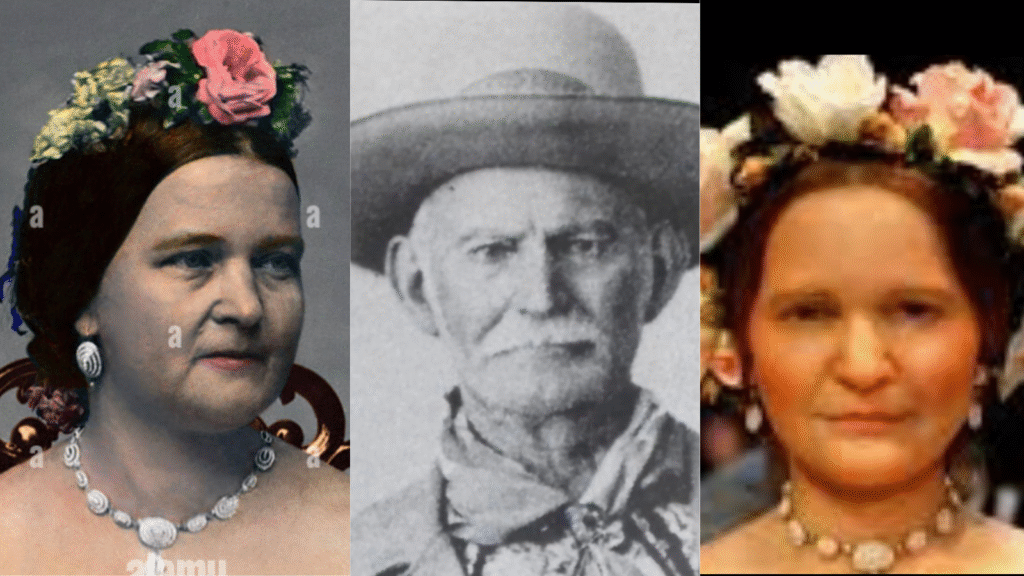
Tad resembled his mother…
Nobody's Perfect
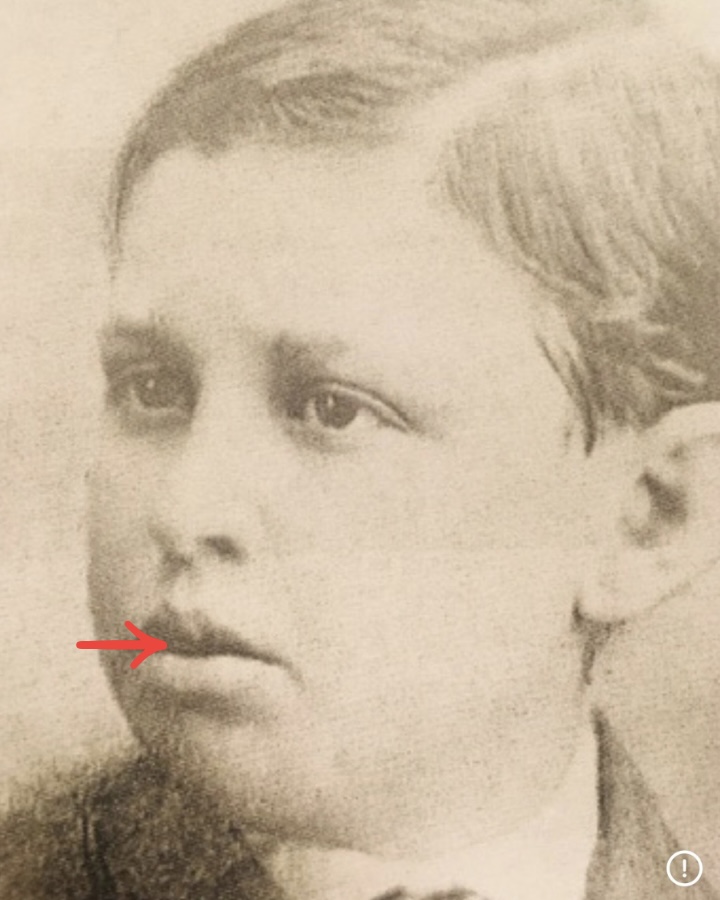
Billy the Kid was said to have one imperfection. His front teeth projected out like a squirrel’s teeth. Tad seems to have the same issue.
The Nuances
I know it is hard to believe, but if the physical evidence is not enough, consider some of these remarkable coincidences.
Billy the Kid was described as having a handsome, boyish face. Tad Lincoln was described the same way.
Billy was known as a fearless rider. Tad Lincoln was also remembered for is fearlessness on horseback.
Brushy Bill Roberts claimed that his parents were from Kentucky. Abraham Lincoln and Mary Todd Lincoln both had deep Kentucky roots.
Then there are the dates.
Billy the Kid was supposedly killed on the evening of July 14, 1881. However, Pat Garrett’s own account places his arrival in Fort Sumner around midnight, meaning the shooting most likely occurred in the early hours of July 15th, 1881.
Tad Lincoln allegedly died exactly 10 years earlier, on July 15, 1871.
Billy the kid became one of the most famous outlaws in American history largely because of his involvement in the Lincoln County War.
But perhaps one of the most intriguing details is how Billy himself was perceived. He was said to be different from the other boys, as though he had come from good society. He apparently carried himself in a way that suggested a background unlike that of the men around him.
If Tad Lincoln was Billy the Kid, suddenly that observation makes a remarkable amount of sense.
Maybe they are all just coincidences. But there are certainly a lot of them.
My Theory
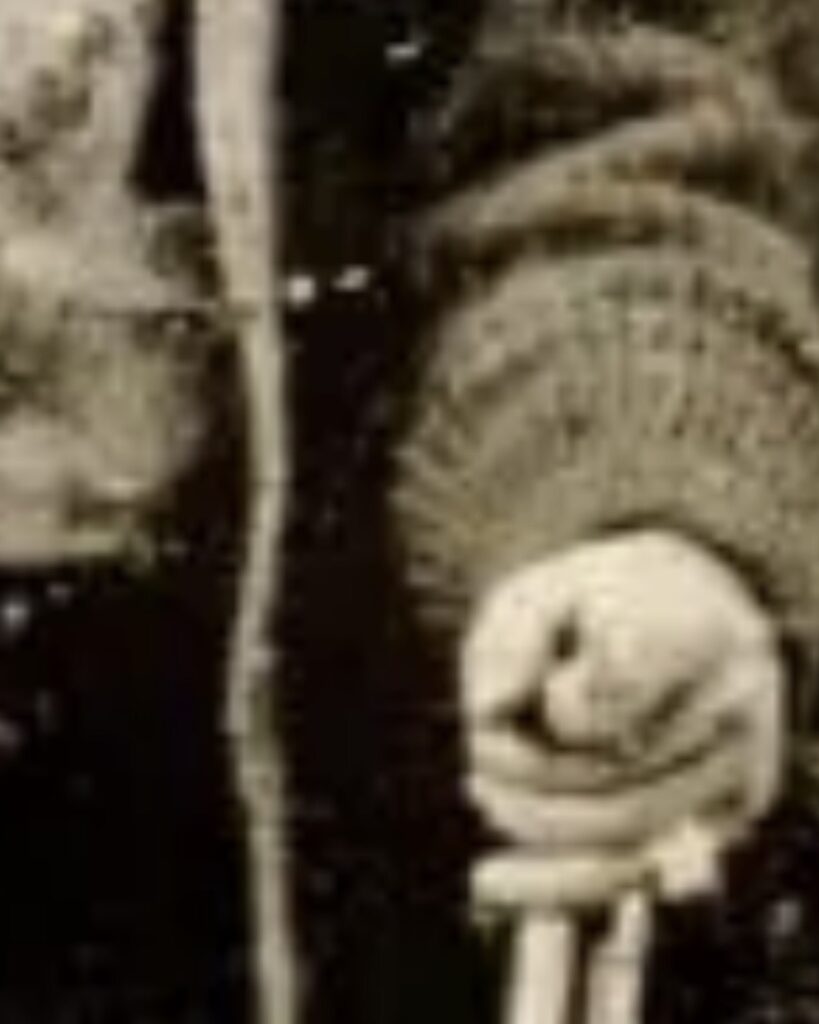
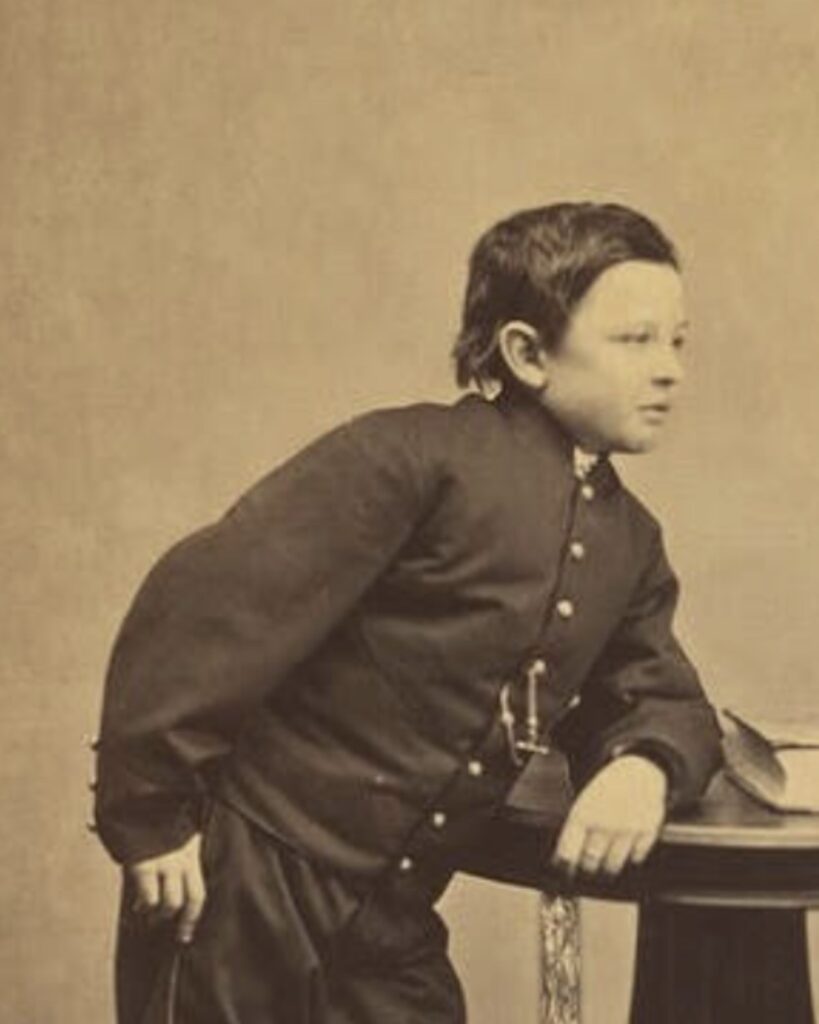
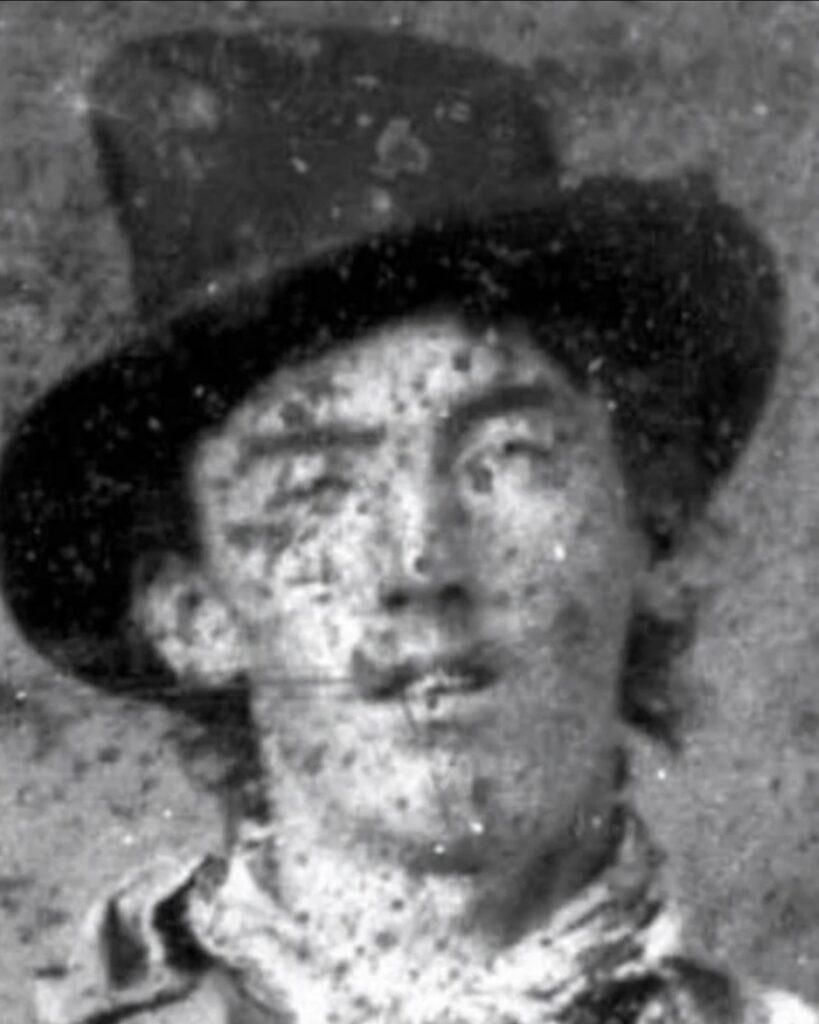
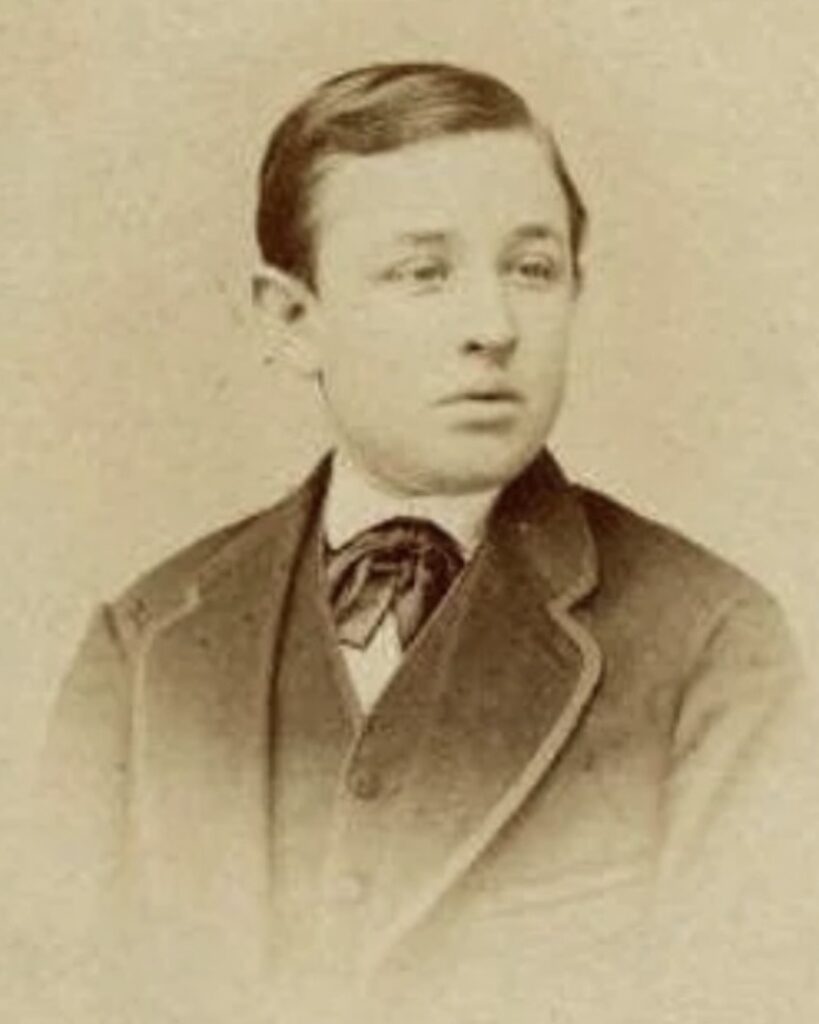
In a previous post,, I pointed out several details that I promised I would come back to later. Billy’s unusual grip around the muzzle of his rifle, the apparent touch-up marks on the chins of Billy the Kid, Brushy Bill Roberts, and Tad Lincoln, and one additional detail I haven’t mentioned until now.
Let’s start with the rifle.
I believe Billy’s unusual grip may have been intended to conceal the fact that he was missing the top knuckle of his right forefinger. If you are a history buff, you may already know that Jesse James was missing the top knuckle on his left forefinger. I have a theory about that connection as well, but I will save that for later.
For now, take another look at the photograph of Tad Lincoln. Notice the dark mark covering the tip of his right forefinger. Coincidence? Perhaps. But it is certainly interesting.
Then there is the chin.
I believe Billy the Kid may have had a cleft chin. If so, it could explain the apparent touch-up marks seen on photographs of Billy, Brushy Bill and Tad Lincoln. Was a cleft chin simply a part of Billy’s physical appearance that was lost to history, or was it intentionally left out of the descriptions of him? I don’t know for certain, but I lean towards the latter. There will be much more on that to come.
And finally, there is one feature I haven’t discussed before.
I believe, mostly by necessity, that Billy the Kid may have had a cleft lip.
It is well documented that Tad Lincoln had one, and it can be seen in photographs of him. Now look closely at Billy. There is a dark mark in the same area where Tad’s cleft lip appears. It could also offer an explanation for the peach fuzz Billy the Kid was known to have on his upper lip. Perhaps it was not simply a matter of style, but a way of making that area of his face less noticeable.
Individually, any one of these details might be dismissed as coincidence. But taken together, the missing fingertip, the apparent touch-up marks on the chin, and the mark on the upper lip begin to form a much more interesting picture.
And all three will become important as I disclose what comes next.
So please be patient. There is much more to come.
Will The Real Tad Lincoln Please Stand Up?
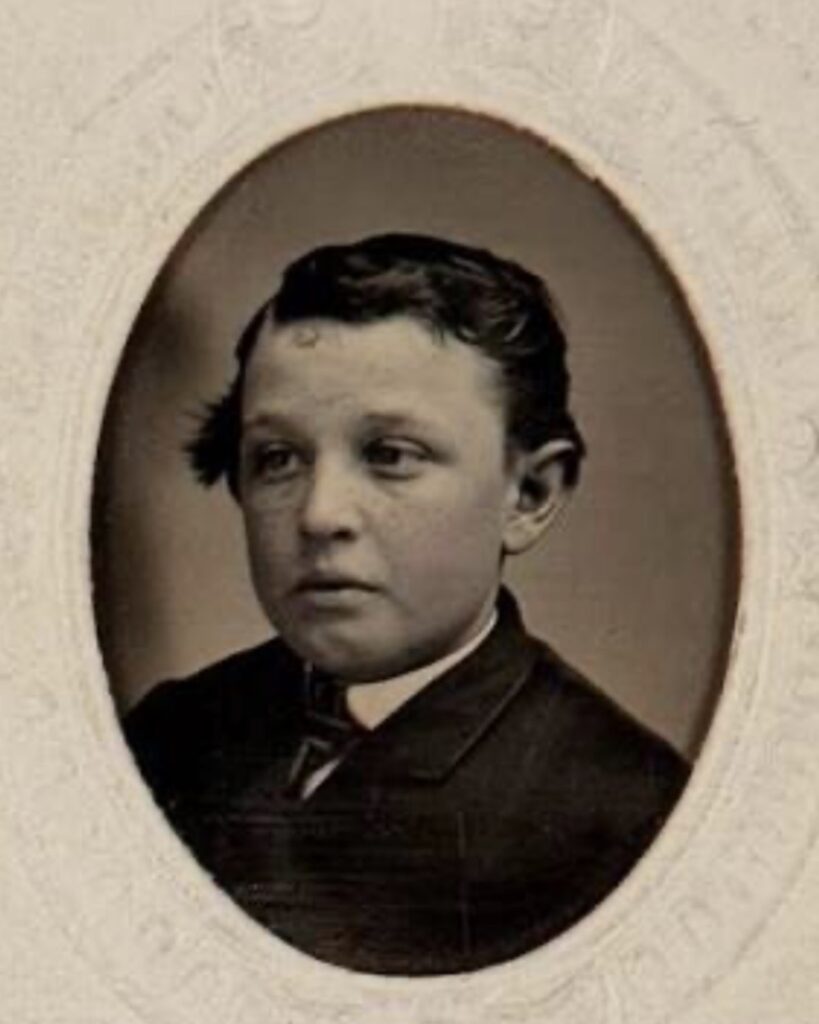
If you’ve made it this far, something has kept you here. Maybe it’s an open mind. Maybe it’s morbid curiosity. Maybe you think I’m crazy. Or maybe, a long the way, you started wondering if there might actually be something to all of this.
Whatever the reason, there’s plenty more to come.
If Tad Lincoln was anything like his father, he was no stranger to the camera. And based on what I’ve uncovered, that may not be too far from possible.
For a man who allegedly died in 1871, there are an awful lot of photographs of men bearing an eerie resemblance to Tad Lincoln.
Coincidence? Maybe.
Press the button below and decide for yourself.